

01.
Best Sellers
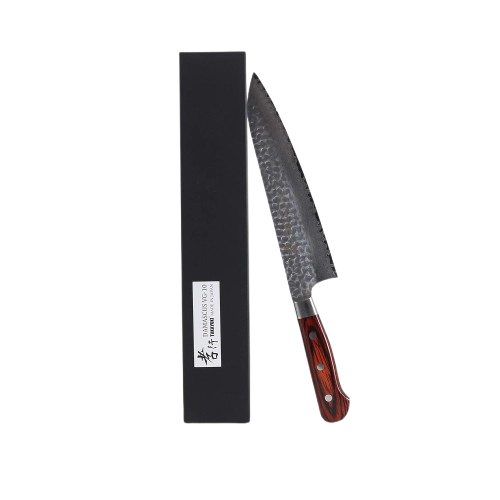
21 cm. Gyuto VG10 33 Layers Hammered
Crafted with a VG-10 stain-resistant steel core, encased in 32 layers of Damascus steel, featuring a stunning Damascus pattern and distinctive hammered finish.
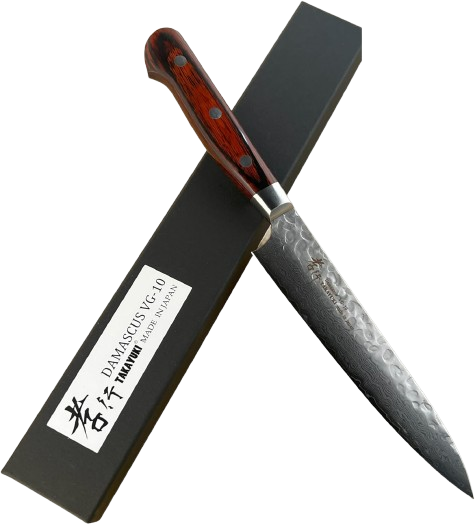
15 cm. Petty Knife VG10 Hammered Damascus
The hammered-finish blade may have slight scratch lines caused by the hammering and grinding process, as the blade is finished with fine-edge honing.
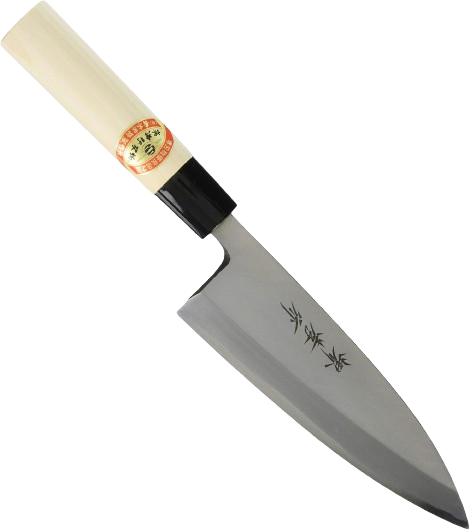
Japanese Knife Kasumitogi Yasuki White Steel
The 06036 Deba Knife features a 165 mm blade made from Yasuki White Steel, with a natural wood handle and resin ferrule.
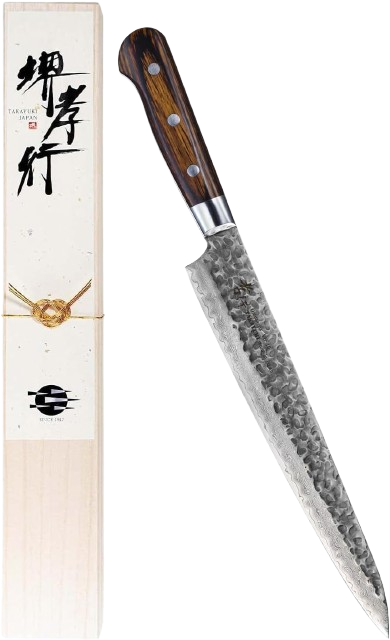
Damascus SushiKnife Sashimi slicing
This stylish, custom-made knife features a dark brown design and is a unique variation from Sakai Takayuki, one of the most renowned manufacturers.
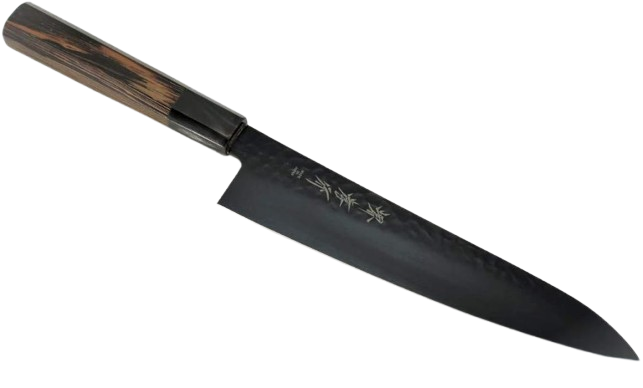
Hammered Black VG-10 Gyuto
The coating helps reduce stickiness, allowing food to glide more smoothly and easily along the knife’s surface while cutting.
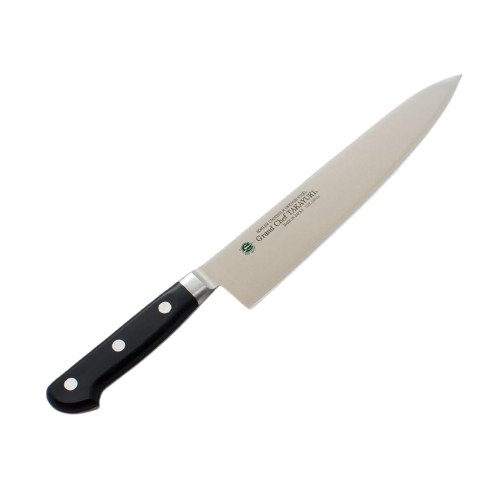
Grand Chef Gyutou 240mm
Light, well-balanced, and incredibly sharp, with a comfortable pressed wood handle, excellent edge retention, and proudly made in Japan.

Sujibiki Hammered Damascus
The blade is made of stainless steel with a plain edge, while the handle is crafted from durable polywood in a stainless steel color.
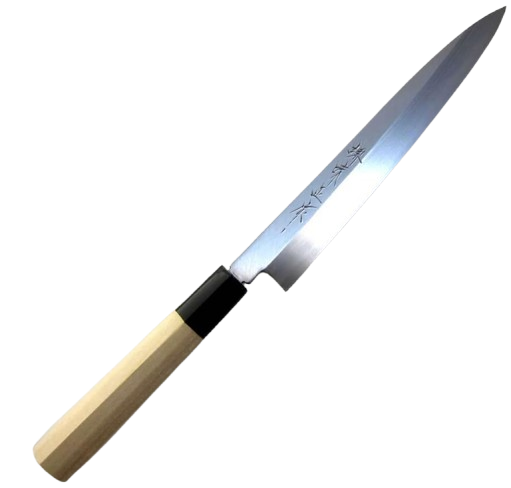
Kasumi White Steel Sushi Knife
The genuine Kasumi White Steel series, manufactured by Sakai Ajimasa, features a steel core with a wrought iron surface.
Hand-Forged,
Not Stamped
Each blade is hammered and tempered by hand, not cut from a sheet of steel.
Steel Chosen for
the Job
From carbon steels like Aogami to stainless VG10, each line uses a steel suited to its edge.
An Edge That
Holds
Traditional clad-steel construction keeps the edge thin, so it stays sharp longer.
Built for Working
Kitchens
These are the knives professional cooks in Japan use daily, not display pieces.
02.
Categories
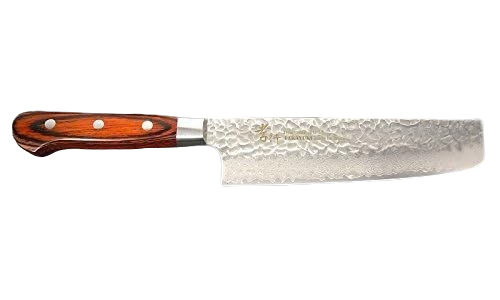
Vegetable Knives
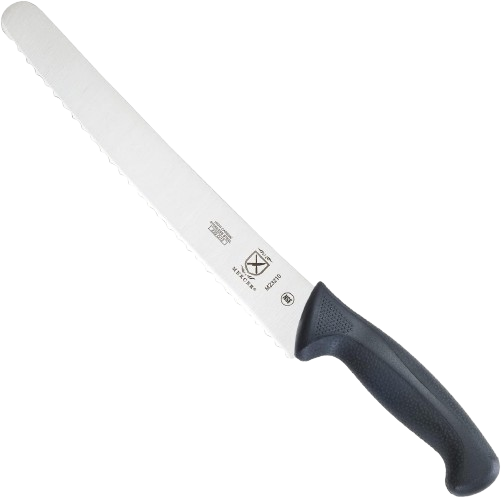
Bread Knives
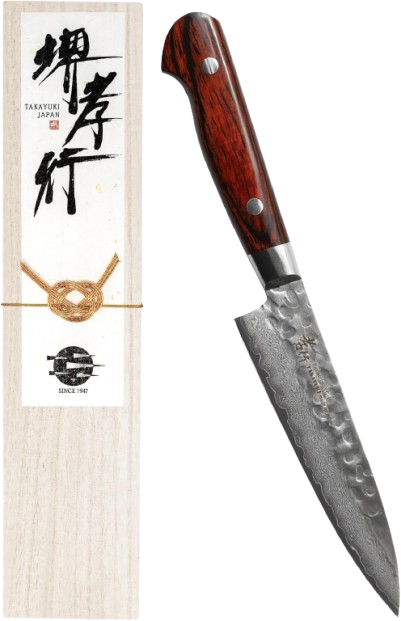
Petty Knives
03.
Sakai Takayuki Story
Sakai Takayuki makes knives in a city that’s been sharpening steel since it actually mattered whether a blade held its edge — long before “handcrafted” was something you put on a label to charge more for it. We didn’t build a story around that; the story was already there, and our job was just not to cheapen it chasing a trend. A knife from us has one requirement: it has to cut the way a knife is supposed to cut, on day one thousand the same as day one. Everything else — the packaging, the display case, the influencer unboxing — is somebody else’s business, not ours.
That single requirement is harder to hit than it sounds. Steel that looks flawless can still be soft where it counts, or hold an edge for a week and go dull the first time it meets a chicken thigh with any real conviction. So blades get forged, tested, re-tested, and sharpened by hand by people who’d rather scrap a run than send out something that flatters the eye and fails the cutting board. It’s slower than stamping out knives on a line and calling it artisanal. We’re fine with slower — a knife that quits on you mid-prep isn’t a knife, it’s a liability with a nice handle.
We’re not making these for someone who wants a knife to sit on a magnetic strip and look serious. We’re making them for the person who’s at the cutting board every night, who notices the half-second a blade drags through an onion when it shouldn’t, and who’d rather spend more once than replace something cheap every two years. If that’s you, you already know what a knife is supposed to feel like in your hand. We just make sure ours still feels that way a decade in.
Stay Sharp
04.
The Edge That Earned Its Place
“Paid more than I’ve ever spent on a single kitchen tool and genuinely hesitated at checkout. Six months and probably four hundred dinners later, it’s the only knife I reach for, and the edge still bites into a tomato skin without sawing.”
Théo Lindqvist
“I was nervous about the carbon steel patina at first, thought I’d ruined it after the first onion. Turns out that’s the knife working the way it’s supposed to, and now the blade has this deep blue-grey finish that’s basically a record of every meal I’ve made.”
Owen Matsuda
“I’ve sharpened my own knives for fifteen years and never quite got them back to factory sharp. This gyuto came out of the box shaving-sharp and held that edge through two weeks of daily prep before it needed a single pass on the stone.”
Hiroshi Bennett
05.
Complete Your Kitchen
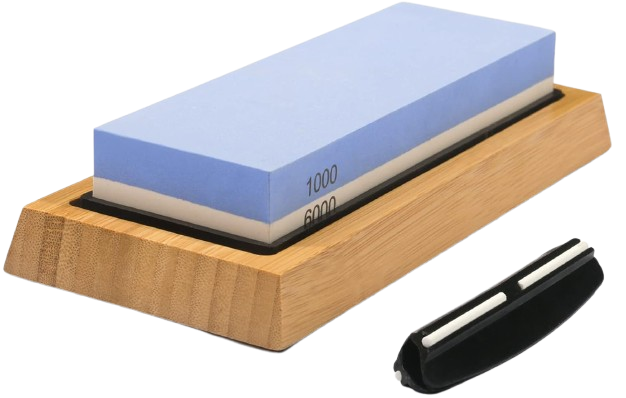
Whetstones
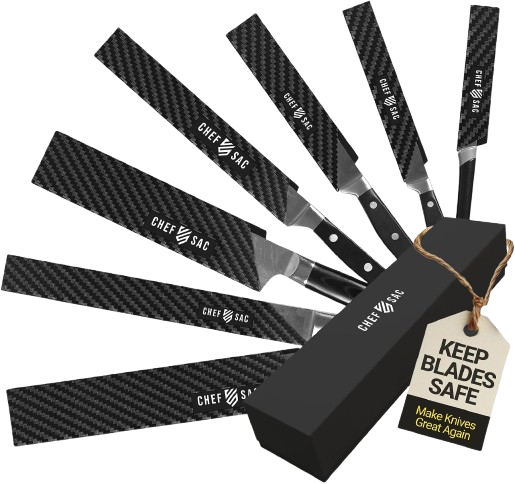
Knife Guards
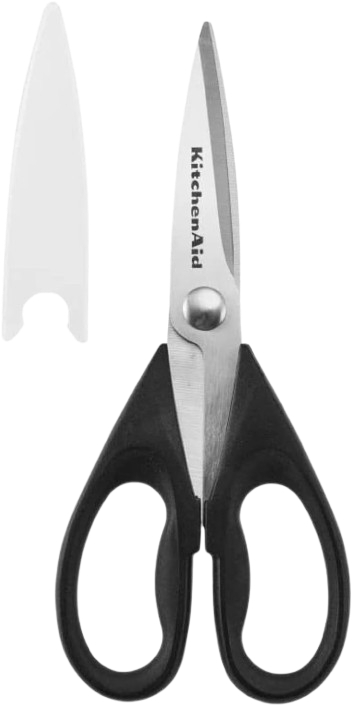
Kitchen Shears
06.
Thoughts, questions, and suggestions are read closely and always welcome.
07.
Sharpening the Details
High-carbon steel is common in pieces like this, prized for taking an extremely fine edge, though it responds to moisture differently than stainless alternatives. A light coat of oil after drying and prompt attention if it gets wet keeps corrosion from setting in, especially in humid conditions.
With regular use, a touch-up on a whetstone every few weeks keeps performance where it should be, while a fuller sharpening session might only be needed every few months depending on how it’s used. Honing before each use, rather than after dulling sets in, tends to keep the edge lasting longer between full sharpenings.
A wood handle benefits from occasional oiling to prevent drying and cracking, particularly if it sees frequent water exposure. Soaking it or leaving it wet for extended periods should be avoided, since that can loosen the fit between handle and blade over time.
A sheath, block, or magnetic strip keeps the edge protected and away from contact with other metal. Tossing it loose into a drawer with other utensils is one of the fastest ways to chip or dull an edge that took real time to refine.
Hand washing is the safer route. Dishwashers expose it to prolonged moisture, heat, and contact with other items, any of which can dull or damage the edge and cause spotting or rust. A quick rinse and immediate drying by hand after each use is the better habit to build.
Genuine pieces typically carry a maker’s stamp or engraving near the base of the blade, along with documentation from an authorized seller. Comparing these markings against official references, and buying only through recognized retailers, is the most reliable way to avoid a counterfeit.